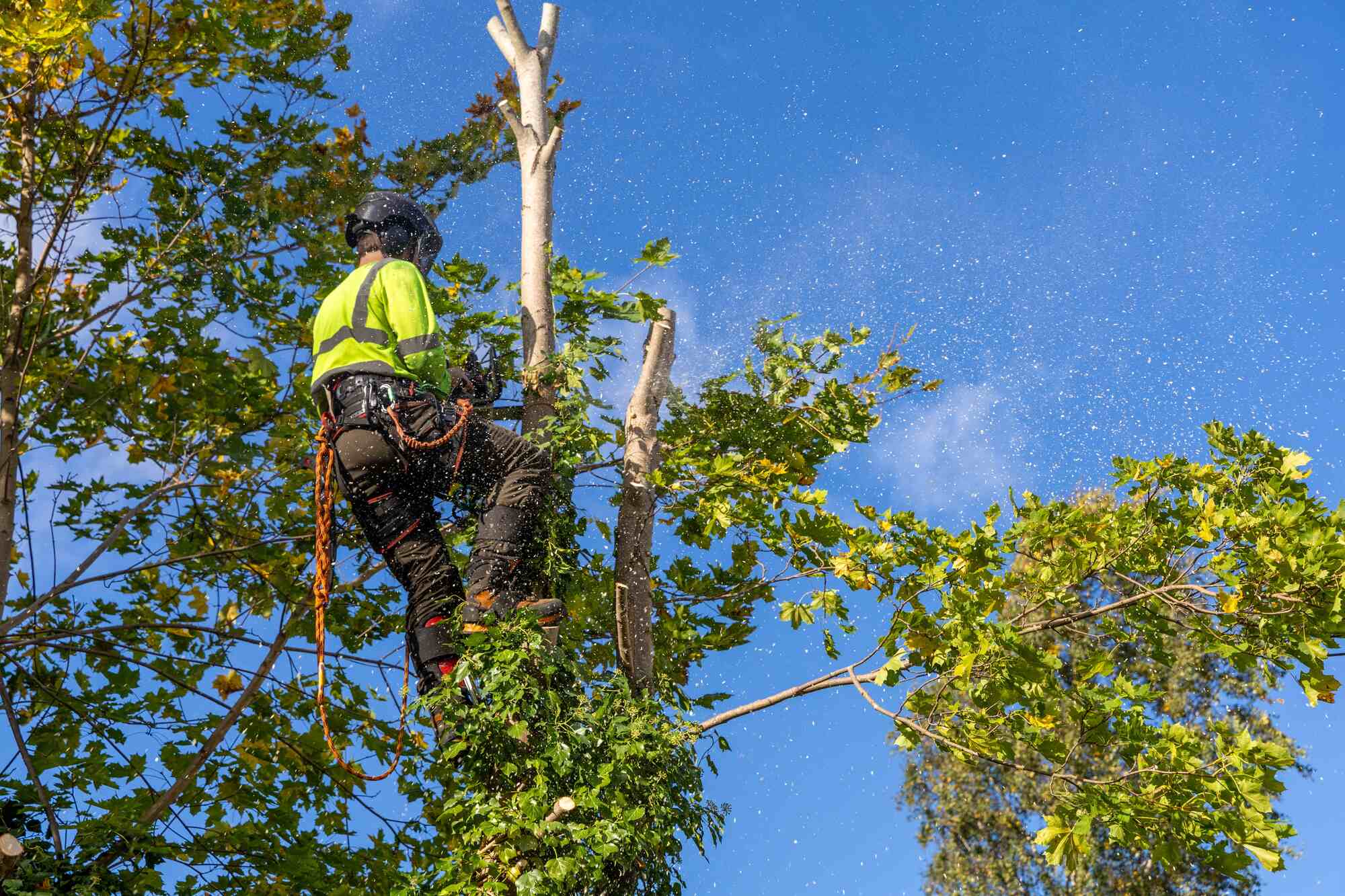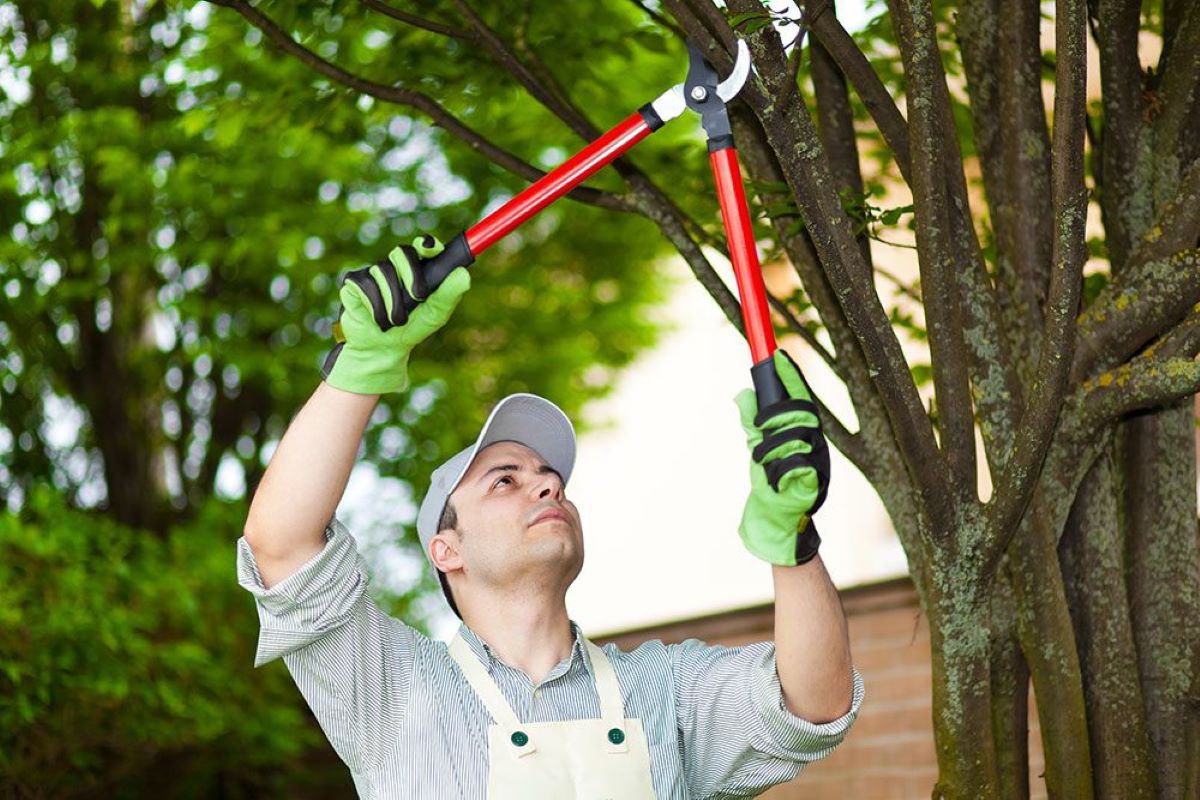
How often should mature trees be pruned in Sydney?
For many established trees, a 2–5 year pruning cycle is a practical baseline. It keeps canopies balanced, reduces deadwood, and limits limb failures without overstressing the tree.
High-risk locations, like trees over driveways, roofs, playgrounds, and powerlines, usually need more frequent inspections and occasional pruning between cycles. Low-risk garden specimens may go longer if their structure is sound.
What changes the pruning frequency for mature trees?
Pruning frequency is driven by risk and growth, not just age. The biggest factors are species growth rate, branch structure, past pruning quality, and proximity to targets.
In tree pruning Sydney, some trees respond well to minimal intervention, while others drop limbs or develop heavy end-weight quickly. If a tree has included bark, long lever arms, or visible cracks, it may need earlier, smaller cuts rather than a big prune later.
Which signs suggest they should book tree pruning sooner?
If a mature tree shows warning signs, waiting for the “usual” cycle can be costly. Common triggers for earlier pruning include dead branches, hanging limbs, and branches rubbing or crossing.
They should also act sooner if the canopy is pushing hard toward a roof, blocking visibility at a driveway, interfering with pedestrians, or contacting service lines. After strong winds, fresh limb tears or sudden canopy lean are also reasons to book an assessment.
Is it better to prune lightly more often or heavily less often?
Light, well-timed pruning is typically safer for mature trees. Smaller cuts close faster, reduce decay risk, and keep the tree’s stored energy stable.
Heavy pruning can cause stress growth, sunburn on newly exposed limbs, and faster regrowth that becomes weakly attached. For most mature trees, the best approach is small, strategic reductions and deadwood removal, repeated as needed, instead of major canopy stripping.
When is the best time of year for tree pruning in Sydney?
Timing depends on the species and the goal, but many mature trees handle pruning best when they are not under extreme heat stress. In Sydney, that often means late autumn to winter for many species, with exceptions.
Some trees bleed sap heavily at certain times, and some respond better after flowering. A qualified arborist typically schedules work around tree biology, pest pressure, and local conditions, not just the calendar.
Do mature trees near homes need more frequent pruning?
Yes, because the consequences of failure are higher. A mature tree over a home, garage, or frequently used area should be inspected more often, even if it is not pruned every time.
A common pattern is an annual or biennial check, with pruning carried out when the inspection finds deadwood, excessive end-weight, or clearance issues. This approach prevents emergency callouts and reduces damage risk during storms.
How do storms and Sydney weather affect pruning schedules?
Sydney’s wind events, saturated soils, and heat waves can all increase limb failure risk. After a major storm, trees may look fine from the ground but still have cracked unions or torn fibres.
Many property managers schedule a post-storm inspection for mature trees, especially those with large lateral limbs. If issues are found early, smaller corrective pruning can prevent larger failures later. Read more about tree pruning and removal.
What should they ask an arborist before booking tree pruning in Sydney?
They should ask for the pruning objective first, not just a quote. Good questions include: What risk is being reduced? Which branches will be removed and why? How much canopy will be taken?
They should also ask whether the arborist will follow Australian Standard AS 4373 (Pruning of Amenity Trees), and whether council approval may apply. Clear scope and standards usually lead to better outcomes for mature trees.
What is a practical pruning plan they can follow?
A simple plan is: inspect regularly, prune selectively, and avoid big cuts unless necessary. For many mature trees, that means an inspection every 1–2 years and pruning every 2–5 years, adjusted for site risk and species behaviour.
If they manage multiple trees, keeping a basic record of past pruning dates, storm events, and noted defects helps predict the next booking window. It also makes it easier to maintain consistent structure over decades.
More to Read : AQF Level 5 Arborist Sydney: What Qualifications Should You Look For?
FAQs (Frequently Asked Questions)
How often should mature trees be pruned in Sydney?
Mature trees in Sydney generally benefit from light, targeted pruning every 2 to 5 years. This schedule helps maintain balanced canopies, reduces deadwood, and limits limb failures without overstressing the tree. Trees in high-risk locations like over driveways or powerlines may require more frequent inspections and occasional pruning between cycles.
What factors influence the pruning frequency of mature trees?
Pruning frequency depends on risk and growth factors rather than just age. Key considerations include the species’ growth rate, branch structure, quality of past pruning, and proximity to people or property. Trees with issues like included bark, long lever arms, or visible cracks may need earlier and smaller cuts to prevent major problems later.
What signs indicate that a mature tree needs pruning sooner than scheduled?
Warning signs for earlier pruning include dead branches, hanging limbs, branches rubbing or crossing each other, canopies pushing toward roofs or blocking visibility at driveways, interference with pedestrians, or contact with service lines. After strong winds, fresh limb tears or sudden canopy lean also warrant prompt assessment.
Is it better to prune mature trees lightly more often or heavily less often?
Light, well-timed pruning is safer and more beneficial for mature trees. Smaller cuts close faster and reduce decay risk while maintaining the tree’s energy reserves. Heavy pruning can cause stress growth, sunburn on exposed limbs, and rapid but weak regrowth. Therefore, small strategic reductions and deadwood removal repeated as needed are preferred over major canopy stripping.
When is the best time of year to prune mature trees in Sydney?
The optimal pruning time varies by species and purpose but generally falls in late autumn to winter when trees are less stressed by heat. Some species bleed sap heavily or respond better after flowering at certain times. Qualified arborists schedule pruning based on tree biology, pest pressure, and local conditions rather than fixed calendar dates.
Do mature trees near homes require more frequent pruning?
Yes, because the risk of damage is higher near homes or frequently used areas. Such trees should be inspected annually or biennially with pruning performed as needed when issues like deadwood, excessive end-weight, or clearance problems are found. This proactive approach minimizes emergency callouts and reduces storm damage risks.