

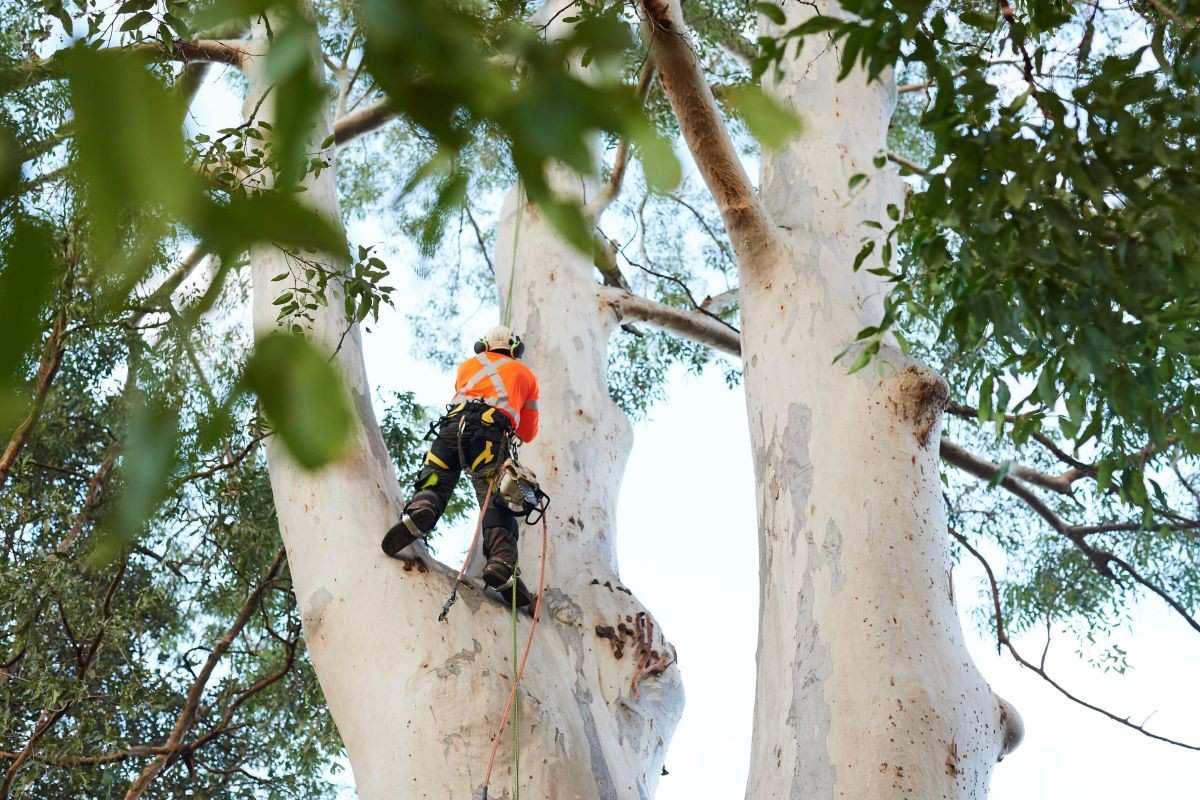
AQF Level 5 is often mentioned because it signals higher technical skill and decision-making. But it should be treated as a starting point, not the only filter.
What does AQF Level 5 mean for an arborist in Sydney?
AQF Level 5 typically refers to a Diploma-level qualification under the Australian Qualifications Framework. In arboriculture, that usually indicates broader technical knowledge, stronger diagnostic ability, and higher responsibility than a basic certificate level.
In practical terms, an AQF Level 5 arborist is more likely to competently assess tree risk, specify pruning works, and design management plans, rather than only performing labour under instruction.
Which AQF qualifications matter most when choosing an arborist?
AQF Level 3 is common for hands-on climbing and ground operations, while Level 5 is more aligned with assessment, planning, and supervision. A good hiring rule is to match the qualification level to the complexity of the job.
For routine pruning, small removals, or basic maintenance, Level 3 plus solid experience can be enough. For risk assessments, protected trees, complex removals near targets, or dispute scenarios, Level 5 is often the safer bet.
Should they have a Diploma of Arboriculture (AQF 5) specifically?
A Diploma of Arboriculture is one of the clearest signals of AQF Level 5 training in the industry. It suggests they have studied tree biology, pests and diseases, pruning specifications, soils, and risk frameworks at a higher level.
That said, the title alone does not guarantee great work. The strongest candidates typically pair a Diploma with a track record of local projects, clear documentation, and up-to-date safety systems.
What is the difference between an arborist and a tree lopper in Sydney?
An arborist is generally trained to assess, maintain, and manage trees with a focus on tree health and risk. A tree lopper may simply cut branches or remove trees, sometimes without formal qualifications or correct pruning standards.
When qualifications are unclear, the outcome can be poor pruning, higher failure risk, property damage, or council trouble. If they are marketing professional tree care, they should be able to explain their AQF level and relevant units of competency.
What other certifications should they hold alongside AQF Level 5?
AQF Level 5 is helpful, but many jobs still require additional tickets and documented competencies. In Sydney, a well-qualified arborist often holds (where relevant) EWP, chainsaw units, rigging competency, traffic control awareness for road-adjacent work, and first aid.
If the job is near powerlines, they should have the correct authorisations and follow the network’s vegetation management rules. If they cannot clearly state what applies to the site, that is a red flag. Check out more about native vegetation land management in NSW.
Do they need to follow Australian Standards like AS 4373?
Yes, their pruning work should align with AS 4373 (Pruning of amenity trees) where applicable. A qualified arborist should be able to describe pruning objectives, target branch selection, and how they will avoid harmful practices like topping.
If they only promise to “lop it back” without explaining the method or expected regrowth response, their approach may not meet accepted standards. Good arborists explain the “why,” not just the “what.”
What insurance should an AQF Level 5 arborist in Sydney have?
They should hold current public liability insurance appropriate to tree work, and if they have employees, workers compensation coverage. For higher-risk work, it is reasonable to ask about policy limits and whether it covers arboricultural operations, rigging, and removals.
Insurance does not prove skill, but lack of it creates serious risk for the client. If they hesitate to provide a certificate of currency, it is usually best to move on. Check out more about how often should you book tree pruning Sydney for mature trees?
Should they provide a written quote, scope, and risk plan?
They should be able to provide a written quote that states exactly what will be done, what will not be done, and how waste will be handled. For more complex work, a site-specific risk assessment and method statement is a strong sign of professionalism.
Clear documentation reduces misunderstandings, protects property owners, and helps ensure the job matches best practice. It also shows they are used to working under compliance expectations.
How can their qualifications be verified quickly?
They should be willing to share qualification details, and they should not get defensive about it. A simple check is to ask what AQF level they hold, what the qualification is called, and where it was issued.
If a report is involved, they should be able to provide their credentials in the document itself. If they cannot explain their training clearly, their marketing claims may be inflated.
What is the best way to choose the right qualified arborist in Sydney?
The best approach is to match the job’s risk and complexity to the arborist’s level of training and evidence of competence. AQF Level 5 is a strong indicator for higher-stakes work, but it should sit alongside demonstrated experience, insurances, standards-based methods, and clear documentation.
If they can explain their assessment, justify the work specification, and show proof of qualifications and insurance, they are usually a safer choice than someone who only offers a quick cut at a cheap price.
FAQs (Frequently Asked Questions)
What does AQF Level 5 signify for an arborist in Sydney?
AQF Level 5 refers to a Diploma-level qualification under the Australian Qualifications Framework, indicating broader technical knowledge, stronger diagnostic ability, and higher responsibility. An AQF Level 5 arborist can competently assess tree risk, specify pruning works, and design management plans beyond basic labor tasks.
How do I choose the right AQF qualification level when hiring an arborist?
Match the arborist’s AQF qualification to the job complexity. For routine pruning or small removals, AQF Level 3 with solid experience may suffice. For risk assessments, protected trees, complex removals near targets, or dispute scenarios, opting for an AQF Level 5 qualified arborist is safer and more reliable.
Why is a Diploma of Arboriculture (AQF Level 5) important for Sydney arborists?
A Diploma of Arboriculture signals that the arborist has studied key areas such as tree biology, pests and diseases, pruning specifications, soils, and risk frameworks at a higher level. While it doesn’t guarantee quality alone, pairing this diploma with local project experience and up-to-date safety systems indicates strong competency.
What distinguishes an arborist from a tree lopper in Sydney?
An arborist is trained to assess, maintain, and manage trees focusing on health and risk management using formal qualifications and correct pruning standards. A tree lopper may simply cut branches or remove trees without formal training or adherence to proper techniques, which can lead to poor outcomes and potential property damage.
What additional certifications should a qualified Sydney arborist hold besides AQF Level 5?
Alongside AQF Level 5 qualifications, a well-qualified Sydney arborist often holds certifications such as Elevated Work Platform (EWP), chainsaw operation units, rigging competencies, traffic control awareness for road-adjacent work, first aid certification, and relevant authorisations for powerline vegetation management.
Do Sydney arborists need to follow Australian Standards like AS 4373 when pruning?
Yes. Qualified arborists should align their pruning work with AS 4373 (Pruning of amenity trees) standards. They should explain pruning objectives, target branch selection methods, and avoid harmful practices like topping. Proper adherence ensures healthier regrowth and professional tree care outcomes.